Homeowner Education Platform

Common Home Problems — Explained Clearly for Homeowners

SafeHomePro is a homeowner education platform — not an inspection company. We publish plain-language guides on the most common home problems homeowners run into, organised by area of the house, with practical next steps for every issue. ACE, our AI-assisted homeowner guidance assistant, helps you understand what you’re seeing before any contractor visit.

Plain-language guidance
No fear tactics
Practical next steps
Educational platform
ACE — homeowner guidance for common home problems

What SafeHomePro Helps Homeowners With

A homeowner education platform — not a contractor lead site, not a paid inspection service, not an alarm bell. Built around practical, plain-language guidance for the issues homeowners actually search for.

Recognize early signs

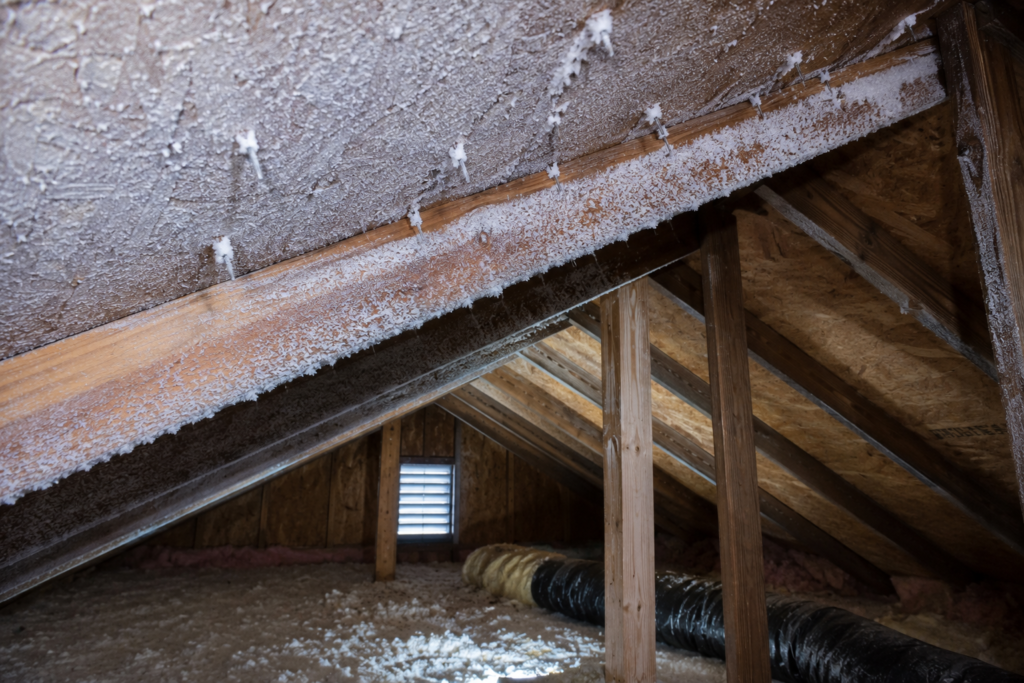
Spot the small clues homes give before damage spreads — ceiling discoloration, faint smells, paint changes, attic frost.

Understand what you’re seeing

Plain-language explanations for the most common patterns homeowners encounter — what they usually mean and how serious they tend to be.

Decide what to do next

Each guide ends with practical next steps — whether to monitor the issue, dig further, or bring in a qualified pro.

How ACE Helps Homeowners

ACE is an AI-assisted homeowner companion — designed to educate, not alarm, and never to replace a qualified professional.

1
Identify a concern

Notice a ceiling stain, a crack, a smell, or something unusual in your home. You don’t need to know what it is — just describe what you’re seeing.

2
Read the guide

Browse ACE’s plain-language guides to understand what the concern may point to, what’s common, and what typically matters most.

3
Know what to do next

Every guide ends with practical next steps — whether to monitor, investigate further, or bring in a qualified professional.

Start With These Guides

Plain-language educational guides covering the moisture, basement, ceiling, attic, and roof-edge issues homeowners search for most. Each guide is written for homeowners (not contractors), ends with practical next steps, and links to the full Moisture & Condensation hub for the bigger picture.

ACE inspector pointing at a ceiling water stain
Ceiling & Moisture
Water Stains on Ceiling

What ceiling stains commonly point to, how to read the pattern, and how to decide whether to monitor or investigate.

Read the guide →

ACE inspector inspecting a brown stain on a ceiling
Ceiling & Moisture
Brown Spots on Ceiling

How to tell old stains from new ones, what causes brown ceiling spots, and what to do before repainting.

Read the guide →

ACE inspector identifying ceiling leak signs
Roof & Attic
Ceiling Leak Signs

The full range of signs a ceiling leak may be developing — what to look for and how to assess the urgency.

Read the guide →

ACE inspector reviewing attic condensation versus roof leak signs
Roof & Attic
Roof Leak vs Condensation

How to tell the difference between a roof leak and condensation using timing, location, and attic indicators.

Read the guide →

ACE inspector inspecting basement moisture
Basement & Moisture
Musty Smell in Basement

What that smell actually is, where it comes from, and the practical homeowner sequence for getting rid of it.

Read the guide →

ACE inspector reviewing wet basement warning signs
Basement & Moisture
Wet Basement Warning Signs

Catching basement moisture early — from efflorescence to staining to standing water — before flooding ever happens.

Read the guide →

ACE inspector reviewing moisture damage near a window
Wall & Ceiling Moisture
Peeling Paint From Moisture

How to read the pattern, the six common moisture sources, and the right order of repair so the fix actually holds.

Read the guide →

ACE inspector checking attic condensation on rafters
Attic & Roof Moisture
Attic Condensation

The winter physics, the three sources homeowners can usually fix themselves, and how to tell it apart from a roof leak.

Read the guide →

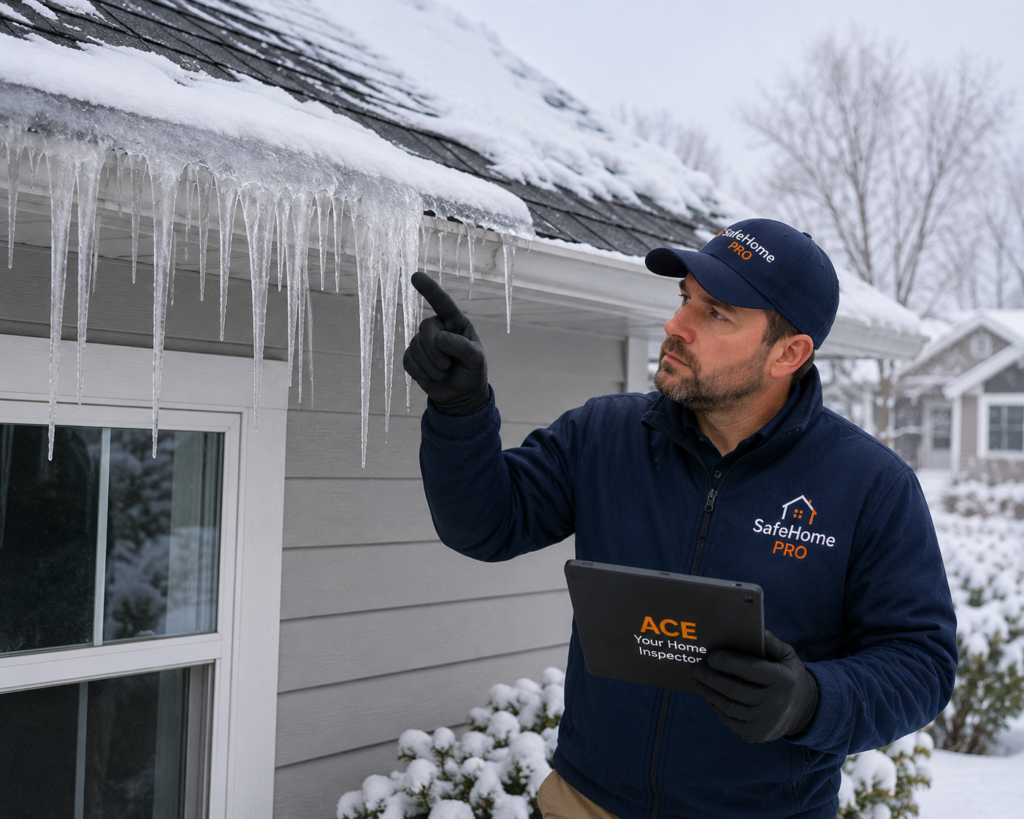
ACE inspector pointing at icicles forming an ice dam
Roof Edge & Winter
Ice Dam Warning Signs

The visible signs of ice dams forming at the eaves, the attic causes, and what to do in winter and in summer.

Read the guide →

Pick the Issue That Matches What You’re Looking At

Tap any issue card to jump straight to the plain-language guide. Each guide walks through what the pattern usually means, when it’s worth investigating, and what to do next.

Ceiling Stain
Ceiling & Moisture
Water Stains on Ceiling

How to read the pattern of a ceiling stain — size, shape, edges, and timing — to find the source above.

Read guide ›

Musty Smell
Basement & Moisture
Musty Smell in Basement

Where the smell actually comes from, the six most likely sources, and the practical sequence for getting rid of it.

Read guide ›

Window Fog
Windows & Moisture
Condensation on Windows

The three types of window condensation, what each tells you about indoor humidity, and the fixes that actually work.

Read guide ›

Window Mold
Windows & Moisture
Mold Around Windows

Why window frames grow mold first, how to clean it safely, and how to address the humidity feeding it.

Read guide ›

Peeling Paint
Wall & Ceiling Moisture
Peeling Paint From Moisture

How to tell moisture-driven peeling from old-paint failure, and why repainting alone never holds.

Read guide ›

Wet Basement
Basement & Moisture
Wet Basement Warning Signs

The signs that a basement is taking on moisture — from efflorescence to staining to standing water.

Read guide ›

Attic Damp
Attic & Roof Moisture
Attic Condensation

The winter physics of warm air hitting cold sheathing, and the three homeowner fixes that solve most cases.

Read guide ›

Ice Dams
Roof Edge & Winter
Ice Dam Warning Signs

Why ridges of ice form along the eaves, what to watch for inside and out, and the calm winter-day playbook.

Read guide ›

Moisture Hub ›
Featured Cluster
Moisture & Condensation Hub

The full plain-language hub on home moisture — where it comes from, what it does, and how to read every signal in one place.

Open the hub ›

Not sure which fits? Browse the full Common Home Problems hub ›

DIY Home Inspection Checklist

Walk Your Home Like a Homeowner Who Knows What to Look For

Our free DIY home inspection checklist breaks the home into eight areas — exterior, roof, attic, basement, plumbing, electrical, HVAC, and moisture. Use it once a season and catch issues months before they become urgent.

  • Eight focused area checklists in plain language
  • What to look at, what’s normal, what’s a flag
  • Clear notes on when to bring in a professional
  • No tools or training required

Open the DIY Checklist →

ACE guiding the DIY home inspection checklist

When to Call a Professional

SafeHomePro and ACE are educational tools, not a replacement for a licensed inspector, contractor, electrician, or plumber. These are situations where you should stop reading and pick up the phone.

Active water leak or active dripping

If water is currently coming through a ceiling, wall, or fixture, shut off the relevant supply if you can and call a licensed plumber or roofer the same day.

Burning smell or warm outlet/panel

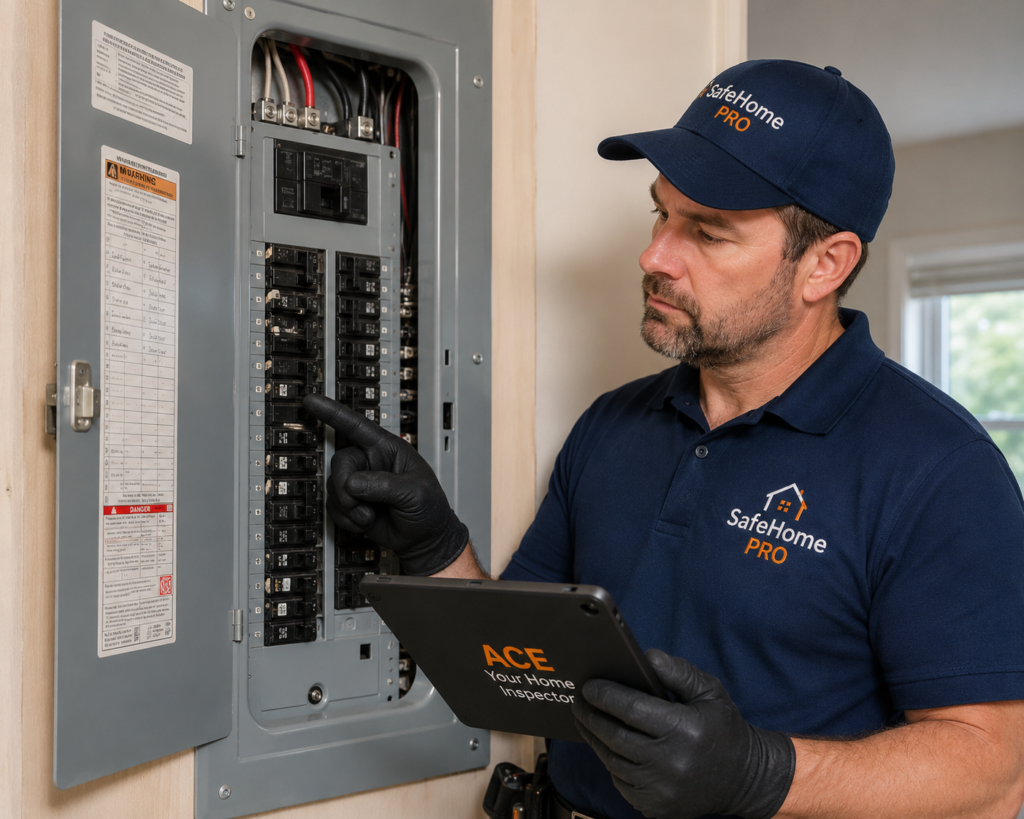
Any burning smell, scorch marks, sparking, or warm-to-the-touch outlet or breaker is an electrical-safety call. Stop using the circuit and contact a licensed electrician.

Sudden new cracks in foundation or walls

Hairline cracks are common. New, growing, or stair-step cracks — especially with door or window misalignment — warrant a structural professional.

Furnace smell, no heat, or carbon-monoxide alarm

Any CO alarm activation is an evacuate-and-call situation. Persistent furnace odours or no-heat events should go to a licensed HVAC pro before re-using the system.

Visible mould beyond a small spot

A small contained spot is often homeowner-manageable. Larger growth, or growth tied to a leak, ventilation issue, or HVAC system, calls for professional remediation.

Anything you’re genuinely unsure about

If a homeowner guide or ACE response leaves you uncertain whether something is safe, treat that uncertainty itself as the signal — and book a qualified inspection.

Educational Guidance for Homeowners

Clear guidance without overstatement.

Plain-language patterns

Common homeowner observations, not formal diagnoses.

Practical next steps

Each guide closes with monitor, investigate, or call a pro.

No fear tactics

ACE flags risk and accuracy levels — never guaranteed.

Start Learning About Your Home Today

SafeHomePro is built for homeowner education first. Browse the guides, run the DIY checklist, or upload a photo — ACE will walk you through what the pattern usually means, in plain language.

Educational Guidance Only. ACE’s homeowner guides reflect common patterns and general education — not a licensed inspection, engineering assessment, or professional opinion, and not a substitute for a full professional inspection. Always consult a qualified professional before making decisions about structural, electrical, plumbing, or any significant home system.

Scroll to Top